
The Centers for Disease Control and Prevention says that 52% of people between the ages of 20 and 64 are missing one or more of their teeth. Of those aged 40 to 64, 66% of them are missing at least one tooth. Additionally, around 20% of people over 65 no longer have any of their real teeth.
Whether you're missing one or more teeth because of an injury, tooth decay or illness, dental implants may be the remedy for restoring your bite. Based on your gum, jawbone and general health, your dentist can help you choose the best solution for your needs.
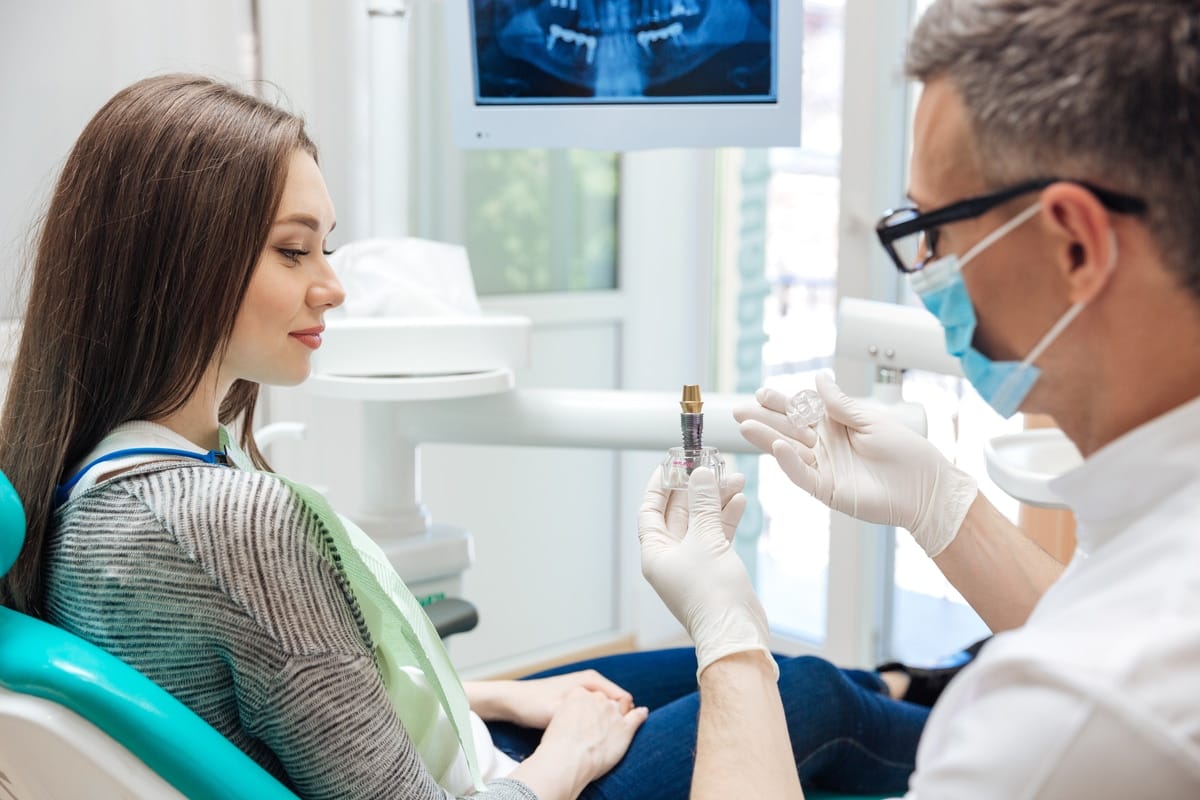
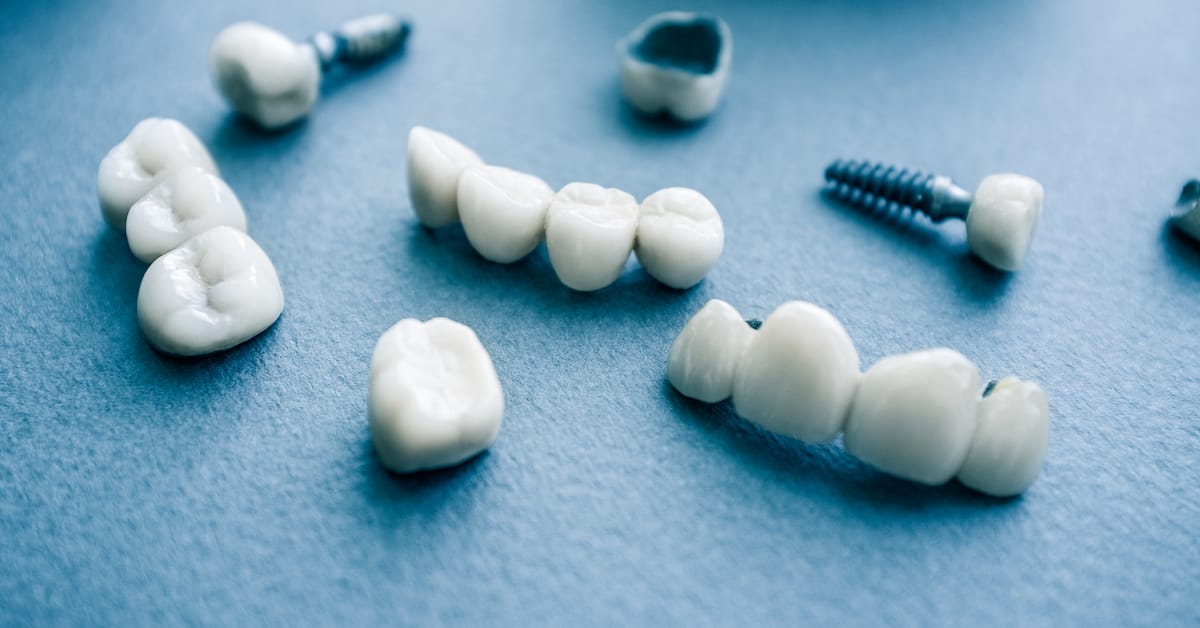
Tooth implants are a long-lasting option for replacing missing teeth, and they look, function and feel like natural teeth. They're especially appealing to individuals who find bridges and dentures uncomfortable and those who want to protect their bone structure. There are two types of implants: subperiosteal and endosteal. Subperiosteal implants are set in your gums, above your jawbone, while endosteal implants are secured within your jawbone. In either case, dental implants consist of three parts:
Body: Also called the post, this part is made of lightweight, durable titanium, which is rarely rejected by the body. The post looks like a screw and is placed below the gumline.
Abutment: Acting as an attachment point for the crown, this part screws into the post and sits right above your gum line.
Crown: Also known as the prosthesis, this visible part of a dental implant is attached to the abutment. It's made to match the size, color and shape of your natural tooth.
Since the posts of dental implants are like artificial tooth roots, they fuse to the jawbone and become a sturdy support for the crowns. Each one is strong enough to support one crown, or multiple crowns that are bridged together.
Of the numerous oral procedures available, surgically inserting tooth implants is one of the safest. Dentists usually perform the procedure on an outpatient basis over several months and stages. The reason is that healing time is required for your gums and jawbone in between some of the steps. For example, your jawbone needs to heal after a tooth removal before a post can be inserted. You can find out more about each step from your dentist before your procedure.
If your jaw has lost bone or is weak, you may need bone grafting in order to get tooth implants. This step will make your jaw more stable to hold the implant and will improve the chances of the procedure being successful. It can be completed using a bone substitute that promotes bone growth or bone from another area of your body. Although minor grafting may be performed during the initial surgery, extensive grafting could take months.
During your tooth implant surgery, your dentist will make an incision in your gums to expose your jawbone. Next, a deep hole will be drilled through the surface so the post can be screwed in. Last, your dentist will use stitches to close the insertion site. Then you'll wait for your bone to grow around and bond to the post, which can take several months.
After your jawbone and post have fused together, the dentist will attach the abutment during minor surgery. The gums will be reopened so that the top of the post is exposed. Then, your gums will be closed around the abutment, but the top will remain partially exposed. Next, you'll wait a couple of weeks for your gums to heal.
Once the second round of healing is complete, the dentist will take impressions of your mouth and real teeth so that a lab can create your crown. Fixed crowns are screwed or cemented to the abutment, whereas removable crowns are snapped onto the abutment and removed every day for cleaning.
As with all other dental surgeries, you'll likely experience minor swelling, bruising, bleeding and pain after the tooth implant procedure. Your dentist might give you tips and aids to manage the swelling and pain, as well as prescribe pain medication.
If you're looking for a way to replace missing teeth, tooth implants are a wonderful choice. Although they offer numerous benefits, knowing the drawbacks is important, too.
Comfort: Since dental implants become part of your jaw, they offer a level of comfort that traditional dentures can't duplicate.
Convenience: Implants don't require messy adhesives because they're permanent.
Improved Speech: It's easy to speak clearly with implants because they're designed for a secure fit that won't budge.
Natural Appearance: Because implants are customized for each person, they're impressive imitations of real teeth.
Optimal Oral Health: The dentist doesn't have to alter your remaining teeth to give you implants, and you can brush and floss them like normal.
Durability: Implants can last a lifetime with proper oral hygiene.
Cost: A single implant may cost thousands of dollars, and your dental insurer may not cover it. However, your dentist might make it more affordable with payment options.
Surgery: Risks are always associated with surgical procedures, including complications, infections, jaw fractions, tooth damage and nerve damage, and side effects from the anesthesia could occur.
Future Expenses: In some cases, implant crowns need to be replaced, which can be expensive and come out of your pocket.
Time: Typically, finishing the dental implant process takes several months.
Specific education and training is necessary for performing the tooth implants procedure. Dentists need to assess your jawbone density and viability to ensure that it can support implants and to insert them correctly. It's important to find a reputable, board-certified professional who offers these credentials.
Our dental team offers affordable, compassionate oral health care through several services, including tooth implants. Schedule a consultation today.