
A Parent's Guide to Braces for Kids
Early trips to the dentist can get your child comfortable with a good oral care routine and give you a heads-up that your child will need braces. Braces can help to correct several tooth and jaw issues, but the idea of taking your child to the orthodontist can be intimidating if you don't know what to expect.

Early trips to the dentist can get your child comfortable with a good oral care routine and give you a heads-up that your child will need braces. Braces can help to correct several tooth and jaw issues, but the idea of taking your child to the orthodontist can be intimidating if you don't know what to expect.
Why Might My Child Need Braces?
Crooked teeth, overbites, and underbites can make a child uncomfortable about their smile and cause difficulties chewing food as well as brushing and flossing teeth. Getting these issues taken care of early can boost a child's self-esteem and confidence, particularly for kids with very crooked teeth. It can also prevent dangerous health issues from occurring down the road.
When the upper jaw is inside the lower jaw, this is called an underbite. This situation can cause pain, difficulty eating, and self-consciousness about appearance. To fix an underbite, orthodontists use braces to expand the jaw. An overbite, which is when the top teeth overlap the bottom ones too much, also requires braces. Overbites can lead to tooth wear, discomfort, and problems with chewing and eating.
Crossbites occur when some of the upper teeth fit inside the lower teeth, and this can make it difficult to chew and bite as well as cause headaches and muscle pain. If it's left untreated, it can affect the shape of your child's face. When the mouth is too small to hold all of the teeth, this leads to overcrowding. Both crossbites and overcrowding can require pulling teeth or expanding the jaw with braces.
Dentists may also notice things like abnormal tooth wear. Tooth wear occurs naturally from chewing food, but it can also be caused by a jaw or tooth misalignment. When teeth become worn down, they can become subject to disease and decay.
Another sign that your child may need braces is mouth breathing, which is something you might notice at home. When you breathe through your nose, your tongue hits the roof of the mouth and upper teeth. That doesn't happen with mouth breathing, and lower placement of the tongue can actually cause malformation of the jaws over time.
If your child lost their baby teeth early, this can also lead to needing braces, as the teeth may become misaligned and fail to leave the proper spacing for the adult teeth to come in. Kids who suck their fingers or thumbs also often need braces, particularly if it goes on for a few years. The sucking can pull baby teeth out and can also misalign the jaw.
What Is the Appropriate Age for Braces?
Kids in elementary school frequently get braces, and many orthodontists recommend that kids have a screening by age 7. However, waiting for kids to have all of their permanent teeth before getting braces may also be a reasonable option. That's because if they get braces early and then more teeth grow in, they could knock the newly straightened teeth out of alignment, leading to needing another round of braces. For most children, this means getting braces around ages 9 to 14. However, in the case of a crossbite or overcrowding, early treatment can be best because expanding the jaw or pulling teeth now can prevent surgery later.
Types of Braces Available for Kids
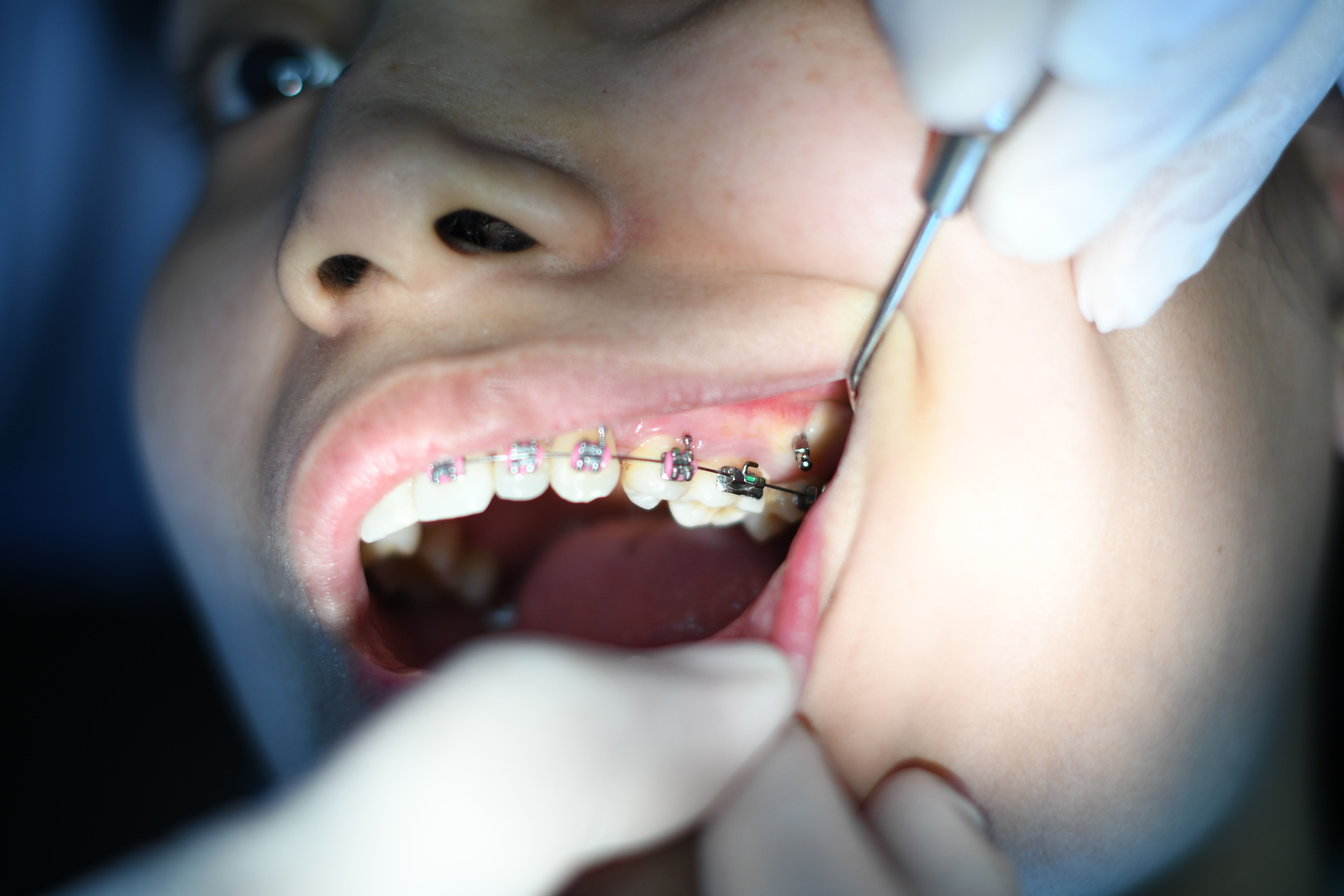
Most kids choose from two types of braces. The first option is the traditional metal braces in which brackets are attached to the teeth and connected with wires. They also use rubber bands, which come in multiple colors that the kids can pick themselves. Over time, orthodontists tighten the wires so the teeth come into alignment. Some orthodontists also offer clear or ceramic brackets, which are a bit less noticeable. Lingual braces are similar but placed on the backs of the teeth, so they can't be seen.
Invisalign is also an option. This involves a removable clear, plastic aligner that slowly moves the teeth. Every few weeks, a new aligner will be needed. However, Invisalign might not be the best option for children, as the aligner needs to be worn for at least 22 hours per day; it's all too easy for a child to take out the device to eat and then forget to put it back in.
How Much Do Braces Cost?
Traditional metal braces are the least expensive choice, costing from $3,000 to $7,500. Lingual braces are the most expensive, ranging from $5,000 to $13,500. However, the balance doesn't necessarily have to come out of your pocket. If you have insurance, they could cover some of your expenses. Sticking with the same insurance company all the way through can help reduce costs by keeping requirements consistent. In some states, Medicaid can also cover the cost of braces. Another option is purchasing a dental savings plan. With or without insurance, try to work out a payment plan with the orthodontist to spread out the cost throughout the treatment. Some charities, like Smiles Change Lives, may also be able to help if you can't afford braces for your child.
Treatment Duration
The time your child will need to wear braces depends upon the seriousness of the problem being treated. Before the orthodontic treatment begins, you should be able to get a personalized estimate, but it could range anywhere from six months to three years.
Restrictions With Braces
The biggest restriction with braces is related to what your child can eat. They'll still be able to play musical instruments and get involved with sports, but they'll need to avoid foods that could damage or get stuck in the braces. These include hard raw vegetables, toffee, gum, hard candy, and caramel.
Braces Aftercare
After the braces come off, your child may experience a little bit of sensitivity as they adjust to the feeling of not having the braces holding their teeth in place. Also, the orthodontist may give you a retainer, which the child will need to wear as instructed to make sure that their teeth stay in their new positions.
Additional Resources
- When Should Dental Care Begin? As soon as the first baby tooth erupts, a child should start going to the dentist.
- Phase 1 Orthodontics: A child's first orthodontic checkup usually comes between ages 6 and 9.
- Does Your Child Need Braces? Straight teeth don't just look nice: They're also easier to clean.
- Tooth Wear in Children: Misaligned teeth can rub against each other in ways that cause them to wear down.
- Brace Yourself: Getting Orthodontic Treatment Straight: An orthodontist can examine a child's mouth as their adult teeth emerge to see if preventive intervention is necessary.
- All About Braces: The American Dental Association provides an overview of what braces are and why they're needed on this page.
- Orthodontic Services: Find out what orthodontists do and learn more about braces here.
- Orthodontics FAQs: Learn about why seeing an orthodontist is important and when children should have their first appointment.
- Braces for Young Kids Might Not Always Be Best: Getting braces at a younger age makes moving the teeth easier, but it could lead to the need for a second round of treatment later on.
- The Importance of Orthodontics: The goal of orthodontic treatment is to end up with a healthy bite that allows the person to eat and speak properly and properly take care of their teeth.
- Is Invisalign Right for Kids? The thought of invisible braces can be tempting, but many children aren't disciplined enough to keep their Invisalign devices in their mouths for at least 22 hours per day.
- How Much Do Braces Cost? Getting braces can be expensive, though insurance will often cover at least part of the cost for children.
- Braces for Beginners: This page gives an overview of what to expect if your child needs to get braces.
- What to Expect When You Get Braces: Learn about the different kinds of braces, how long it takes to put them on, and how you'll maintain your smile once the braces are off.
- Does Your Child Really Need Braces? Ultimately, the right decision will be different depending on each child's specific situation.
- What Are the Different Types of Braces, and Which Is Right for You? There are a lot more options these days than just traditional metal braces.
- Braces and Retainers: Types, Care, and What to Expect: Read this guide to find out more about the process of getting braces and having them on.
- Time Lapse Shows How Braces Straighten Teeth: You may not see much change from one day to the next, but over time, braces can make a big difference.
Ready to book an appointment?
Book a consultation today or make an appointment using our convenient online appointment scheduler.
Book appointment

Enjoy the flexibility of paying through monthly payments.
CareCredit is a healthcare credit card designed for your health and wellness.
Learn more

A discount plan available to keep you and your family healthy.
Everyone is accepted and membership can include coverage for your family.
Learn more